
Pre‑Surgery Preparation
Before surgery, patients receive digital pre‑op packets via Horizon Health Network’s national app, streamlining medical clearance, lab results, and consent forms. This ensures all health data is accessible, reducing paperwork and clinicians to tailor medication plans and post‑operative care!!.
Medical Clearance and Testing
Prior to the operative day, the Horizon Health Network’s mobile platform consolidates all required pre‑operative evaluations into a single, secure portal. Patients upload recent laboratory results—complete blood count, coagulation profile, renal panel, and, when indicated, cardiac imaging—directly to the app. The system cross‑checks values against institutional thresholds, flagging any deviations that necessitate additional evaluation or medication adjustments. The consent module captures the surgeon’s operative plan, anesthesia risks, and postoperative expectations, ensuring that the patient’s informed consent is comprehensive and legally compliant.
During the pre‑operative clinic visit, a team reviews the uploaded data. The anesthesiologist confirms airway assessment, evaluates pulmonary function tests, and verifies that the patient’s medication list—including anticoagulants, antihypertensives, and over‑the‑counter supplements—is reconciled to avoid intra‑operative complications. The cardiologist, when indicated, performs an echocardiogram to assess ventricular function and valve integrity, while the endocrinologist reviews glucose control for diabetic patients.
All test results are transmitted to the surgical scheduling system, which generates a “Pre‑Op Checklist” that the patient receives via the app. This checklist details fasting instructions, pre‑operative medication adjustments, and the time to arrive at the hospital. By centralizing data, the platform eliminates redundant paperwork, reduces the risk of missing critical information, and allows the surgical team to focus on patient safety and optimal outcomes.
In this streamlined workflow, every data point is verified, reducing the likelihood of last‑minute cancellations and ensuring the patient arrives ready for surgery.
Patients are encouraged to review their checklist daily, marking completed tasks to maintain clarity and confidence as the surgery date approaches!

Immediate Post‑Operative Care
After surgery, focus on vital sign checks, incision cleanliness, and pain control. Use prescribed meds, keep the wound dry, and monitor for redness or swelling. Follow the app’s step‑by‑step guide to report symptoms and schedule early follow‑up visits. Stay!;
Monitoring Vital Signs and Incision Site
Immediately after anesthesia wears off, nurses record heart rate, blood pressure, respiratory rate, and temperature. Use the Horizon Health Network app to log these values every 4 hours for the first 48 hours. A normal heart rate is 60‑100 bpm, systolic pressure <140 mmHg, diastolic <90 mmHg, and temperature <37.5 °C. If any value deviates, alert the care team via the app’s emergency button. The incision should be inspected for color, drainage, and swelling. A healthy site appears pink, with minimal exudate and no foul odor. Redness that extends beyond the surgical borders or increasing warmth may signal infection. If drainage is clear and the dressing stays dry, continue routine care. Change the dressing only if it becomes wet or soiled, following the sterile technique outlined in the digital instructions. Document all observations in the patient portal. The app syncs data to the surgeon’s dashboard, enabling real‑time monitoring. If you notice sudden pain, a sudden rise in temperature, or any abnormal vital signs, contact the surgical team immediately. Early detection of complications improves outcomes and reduces readmission rates. Additionally, monitor for bleeding: a steady oozing of blood or clots larger than a teaspoon may require urgent evaluation. Keep the incision elevated on a pillow to reduce swelling, and avoid bending over for the first 24 hours. Use the app’s guided checklist to confirm that the dressing is intact, the wound edges are not separated, and there is no foul smell. If you observe any of the following—persistent fever above 38 °C, increasing redness, swelling, or a foul odor—report them immediately. The digital platform also provides educational videos on how to perform a gentle wound inspection and how to change the dressing safely, ensuring you follow best practices and reduce the risk of infection. The app reminds you to apply the prescribed antibiotic ointment twice daily, and to keep the incision in a clean, dry environment. Follow the recommended schedule for wound checks: 6 hours, 12 hours, 24 hours, 48 hours, and then daily until the dressing is removed. Consistent monitoring and timely reporting are key to preventing complications.

Medication Management

Post‑operative medication plans are delivered via the Horizon Health Network app, listing analgesics, antibiotics, and anticoagulants with precise dosages and timing. Patients log intake, receive reminders, and report side effects, enabling real‑time adjustments and safe recovery. Adhere strictly to the dosing plan now.
Analgesics, Antibiotics, and Anticoagulants
After surgery, the Horizon Health Network app delivers a personalized medication schedule that integrates analgesics, antibiotics, and anticoagulants. Patients receive push notifications for each dose, with clear instructions on timing, route, and side effects. Analgesics—often acetaminophen plus a low dose opioid—are titrated to pain, while NSAIDs are added when appropriate. Antibiotics are prescribed based on the surgical site and allergy profile; the app tracks completion and alerts clinicians if doses are missed. Anticoagulants, such as low‑molecular‑weight heparin or direct oral agents, start pre‑op or immediately post‑op to prevent VTE; reminders ensure consistent timing and bleeding monitoring. Each entry includes dosage, frequency, and rationale, empowering patients to understand each drug’s purpose. The platform logs adverse reactions—nausea, rash, bruising—and forwards data to the care team for rapid intervention. This synchronized approach reduces errors, improves adherence, and supports safer recovery. Patients can also scan barcodes to verify medication identity, and reduce errors!
The app also offers educational videos on medication safety, interactive quizzes to reinforce dosing knowledge, and a chat with pharmacists for queries. For patients with renal or hepatic impairment, doses auto‑adjust and flag specialist review. Medication reconciliation at discharge ensures outpatient prescriptions match the in‑hospital regimen, maintaining continuity of care.
Wearable integration detects heart rate or blood pressure changes that may signal adverse reactions. If thresholds are crossed, the app sends an urgent alert to the surgical team, prompting immediate assessment. This proactive safety net is valuable for patients with bleeding disorders or complex comorbidities. The combination of digital reminders, real‑time data, and clinician oversight creates a robust medication management ecosystem that supports optimal post‑operative outcomes.

Pain Management Strategies
Use prescribed analgesics as directed, combine with scheduled rest, apply cold packs, practice deep‑breathing, and maintain a pain diary. Follow the app’s reminders for medication timing, monitor pain levels, and report any breakthrough pain to your team promptly. Stay hydrated, follow diet, use ice!
Non‑Pharmacologic Techniques
Patients are encouraged to use a combination of breathing exercises, guided imagery, and gentle movement to manage discomfort after surgery. Deep‑breathing techniques—inhale slowly for four counts, hold for four, exhale for six—help reduce sympathetic tone and lower pain perception. The Horizon Health Network app provides audio‑guided sessions that can be played in the recovery room or at home. Guided imagery, where patients visualize a calm beach or a warm sun, has been shown to decrease perceived pain and improve sleep quality. Gentle range‑of‑motion exercises, such as ankle pumps and shoulder rolls, should begin within the first 24 hours, following the surgeon’s clearance, to prevent stiffness and promote circulation. Heat or cold packs can be applied to the incision site, alternating every 20 minutes, to reduce inflammation and soothe muscle tension. Positioning strategies—elevating the head of the bed, using pillows for support—help minimize pressure on the surgical area. Relaxation techniques, including progressive muscle relaxation and listening to calming music, can be practiced during rest periods. Patients should keep a pain diary, noting triggers and effective non‑pharmacologic methods, and share this information during follow‑up visits. Consistency in applying these strategies, supported by the app’s reminders, enhances recovery and reduces reliance on medication. Patients are advised to review the digital checklist, ensuring each step is completed before discharge.!

Wound Care and Dressing Changes
Digital wound care guides via Horizon Health Network’s app replace paper charts, offering step‑by‑step dressing changes, moisture‑balance tips, and alerts for redness or drainage. Follow the app’s prompts, keep the site clean, and report any swelling promptly. Follow reminders for optimal care!!
Signs of Infection and How to Treat
Infection after surgery can manifest in several ways. Look for increasing redness, swelling, or warmth around the incision that spreads beyond the immediate area. A sudden rise in pain, especially if it worsens at night, or a throbbing sensation may signal infection. Drainage that is thick, foul‑smelling, or changes color from clear to yellow or green is a red flag. Fever, chills, or a rapid heartbeat, even if the temperature is only slightly elevated, can indicate systemic involvement.
When you notice any of these symptoms, contact your care team immediately. The Horizon Health Network app provides a quick “Report Issue” feature that sends real‑time alerts to your surgeon’s office; Prompt treatment typically involves a course of prescribed antibiotics, which the app will remind you to complete fully. If drainage is present, the app’s step‑by‑step guide shows how to gently clean the wound with sterile saline and apply a new dressing. In cases of severe redness or swelling, the app may schedule an urgent in‑person evaluation or direct you to the nearest emergency department.
Preventing infection starts with proper hand hygiene before touching the incision, using only the dressing materials provided, and keeping the area dry. The app’s educational videos demonstrate how to change dressings without contaminating the site. If you develop a fever or your wound shows signs of infection, follow the app’s instructions for antibiotic initiation, complete the full course, and monitor for improvement. Persistent symptoms after 48 hours warrant a follow‑up visit or a call to your surgeon. By staying vigilant and using the digital tools available, you can reduce the risk of complications and support a smoother recovery!!!!!!!

Activity and Physical Therapy
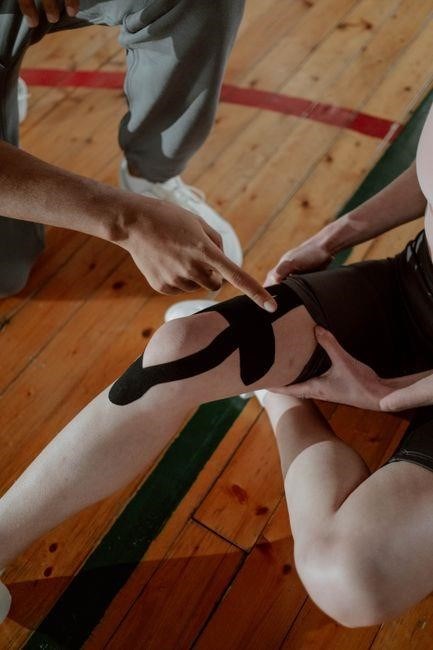
Early mobilization is key: begin gentle ambulation within 24 hours, using walker or crutches as prescribed. Progress to seated exercises, range‑of‑motion drills, and light resistance. Follow a structured PT plan, meeting daily goals, and avoid heavy lifting until cleared. Stay hydrated. Rest.!! Move slowly.!!
Rehabilitation Milestones and Mobility Guidelines
Day 1–2: Bed‑to‑chair transfers, ankle pumps, and diaphragmatic breathing. Use a walker or crutches as directed, keeping weight on the non‑operative limb. Aim for 10–15 minutes of seated activity, 3–4 times daily. Avoid bending or twisting beyond 30° to protect the incision.
Day 3–5: Initiate light ambulation (5–10 min) with assistive device, progressing to 15–20 min by day 5. Perform gentle hip flexion, knee extension, and ankle dorsiflexion stretches. Monitor for swelling or pain; report any increase beyond baseline.
Week 2: Increase walking distance to 30–45 min, incorporate stair training if tolerated. Begin core stabilization exercises (pelvic tilts, seated marches). Maintain a 3–4 min rest interval after each activity set.
Week 3–4: Transition to independent ambulation, 45–60 min daily. Introduce light resistance bands for upper‑body strengthening. Continue core work, adding side‑lying abductions. Ensure proper posture and gait mechanics.
Week 5–6: Aim for full functional mobility, including household tasks. Gradually increase resistance and duration of exercises. Evaluate pain levels; adjust intensity accordingly. Prepare for discharge with a home exercise plan and safety checklist.
Throughout the week, maintain a daily log of pain scores, sleep quality, and any symptoms. This data helps clinicians adjust your plan and ensures a smooth transition to living, Stay consistent and communicate promptly.

Nutrition and Hydration
Post‑operative nutrition focuses on protein‑rich foods, lean meats, legumes, and whole grains to support healing. Hydration is vital; aim for 2–3 liters daily, avoiding sugary drinks. Follow surgeon’s diet plan, and use the Horizon app for meal reminders and progress tracking. and stay active!!
Dietary Recommendations for Healing
After surgery, nutrition is essential for healing. The Horizon Health Network app delivers a personalized meal plan aligned with your surgical type, comorbidities, and lab results. Focus on high‑protein foods—lean poultry, fish, eggs, dairy, beans, tofu—to rebuild muscle and support wound healing. Include complex carbs like quinoa, brown rice, oats, whole‑grain breads for sustained energy and fiber, which keeps gut motility active and reduces constipation. Healthy fats from nuts, seeds, avocado, olive oil provide anti‑inflammatory omega‑3 fatty acids that help control postoperative swelling. Vitamin‑rich produce—berries, citrus, leafy greens, bell peppers, cruciferous vegetables—boost antioxidants, collagen synthesis, and overall resilience. Aim for at least five servings of fruits and vegetables daily. Hydration is vital: target 2.5–3.5 liters of fluid per day, prioritizing water, herbal teas, clear broths; Avoid sugary drinks, excessive caffeine, alcohol, which can impair healing and interact with medications. The app’s hydration tracker reminds you to sip regularly and logs intake for your surgeon’s review. Limit processed foods, refined sugars, high‑salt items that can cause edema and hinder recovery. If you have dietary restrictions (e.g., gluten intolerance, lactose sensitivity), the app offers suitable alternatives and recipes. Follow the surgeon’s instructions regarding fasting times before anesthesia and any postoperative dietary restrictions. Use the app’s grocery list feature to shop efficiently, schedule meal prep sessions to maintain consistency. If you experience nausea or appetite loss, discuss with your care team; they may recommend small, frequent meals or bland, easily digestible options like soups, smoothies, protein shakes. Stay consistent with these guidelines for optimal recovery.

Follow‑Up Appointments and Monitoring
After discharge, patients schedule virtual check‑ins through Horizon Health Network’s app. Real‑time vitals, wound photos, and medication logs trigger alerts for complications. Follow‑up visits are spaced at 2, 6, and 12 weeks, ensuring timely adjustments and early red‑flag detection. Daily reminders!.
When to Contact Your Surgeon and Red Flags
Even with monitoring, certain symptoms warrant immediate attention. If you experience sudden, severe chest pain, shortness of breath, or swelling in the lower extremities, call your surgeon within hours. Fever above 100.4°F (38°C), chills, or a rash that spreads rapidly signals infection. Noticeable changes in the incision—such as increased redness, warmth, drainage, or a foul odor—indicate possible wound infection. Any sudden loss of sensation, weakness, or numbness in the limbs, especially if accompanied by dizziness or visual disturbances, could suggest a neurological event. Unexplained weight loss, nausea, vomiting, or persistent abdominal pain may reflect internal complications. If you develop a very sharp abdominal pain or a feeling of pressure in the chest, seek emergency care immediately. Regularly review your digital health dashboard; alerts for abnormal vitals or medication interactions should prompt a call. When in doubt, err on the side of caution and contact your surgical team promptly. Early intervention can prevent serious complications and ensure a smoother recovery. Monitor for signs of thrombosis such as calf tenderness, swelling, or sudden increase in pain when walking. If you notice any new or worsening pain that does not improve with prescribed analgesics, or if you have a sudden onset of confusion or agitation, these are also red flags that require rapid evaluation. Finally, keep a log of any changes in your daily routine or new symptoms, and share this information during follow‑up visits or through the app’s messaging feature to maintain continuous oversight.